Keynote Speakers
| Name | Affiliation | Title |
| Judicaël Ambach-Albertini | Agence d'Aménagement Durable, d'Urbanisme et d'Énergie de la Corse (AUE) | Corsica's Energy Strategy and Policy Presentation |
| National School of Engineers of Gabes, Tunisia, Laboratory of Energy, Water, Environment and Processes, University of Gabes, Tunisia | Biobased phase change composites for enhanced thermal energy storage | |
| Abdelilah Benyoussef | Academy of Science, Morrocco | Design of nanomaterials for hydrogen production and storage: Modeling and Simulation |
| Ali Cheknane | University of Laghouat, Laboratory of Materials, Energetic Systems, Renewable Energies | Solid-State Hydrogen Storage: Bridging the Gap Between Material Innovation and Industrial Scalability |
| Erdem Cüce | Department of Mechanical Engineering, Faculty of Engineering and Architecture, Recep Tayyip Erdogan University | Solar chimney power plants: A renewable and sustainable energy solution |
| Instituto Tecnológico de Aeronáutica – ITA | Development of Energetic Materials for Thermal Plugging of Oil and Gas Wells | |
| Fei Duan | School of Mechanical and Aerospace Engineering, Nanyang Technological University | Ammonia as Fuels in Power Cogeneration System for Decarbonization |
| Université de Sherbrooke (Canada) | What you don't want to hear about the energy transition | |
| Sébastien Penzini | United Nations Office for Disaster Risk Reduction (UNDRR) | Accelerating efforts for achieving Sendai Framework objectives by 2030 |
| Sébastien Poncet | Mechanical engineering department, Université de Sherbrooke (Canada) | A route to decarbonize the Quebec industry sector: initiatives, policy and emerging technologies |
| Giuseppe Sdanghi | Laboratoire Energies et Mécanique Théorique et Appliquée - Université de Lorraine-CNRS | Latest advancements and outlooks on green hydrogen production through water electrolysis |
 | Judicaël Ambach-Albertini Agence d'Aménagement Durable, d'Urbanisme et d'Énergie de la Corse (AUE) Corsica's Energy Strategy and Policy Presentation
|
Graduated from Arts et Métiers ParisTech engineering school with an additional master degree in Renewable energy production systems and energy efficency, Judicaël joined the AUE in 2010 and has been involved in all energy transition subjects in Corsica from SEAP elaboration to its implementation building up strong partnerships with numerous stakeholders.
Judicael is at present Deputy director of AUE Energy Transition Departement.
Presentation abstract:
Corsica adopted in 2013 its regional scheme for climate, air and energy. Its ambition is to reach energy autonomy by 2050. In 2023, a precise roadmap was adopted with multiple objectives to be reached by 2028 (compared to 2019 values):
- Realise 600 GWh of energy savings, corresponding to a decrease of energy consumption of 18% in the residential sector, 23% in the tertiary sector and multiple interventions to upgrade the island’s public lighting.
- Increase the share of renewable energy sources in the electricity mix up to 62% (corresponding to 36% of final energy consumption). Detailed targets are assigned to solar photovoltaics, wind energy, hydro energy, biomass-based CHP, wood, solar thermal, marine energies, heat pumps.
- Decrease the energy consumption of the transport sector by 410 GWh.
- Replace 210 GWh of gasoline thanks to electric vehicles.
Reaching these objectives will allow the island to reach a 31%-energy autonomy by 2028; 74% of local electricity consumption covered by renewables; a decrease in GHG emissions by 57%. The corresponding investments amount to € 4.5 billion, and 3,000 jobs should be created.
 | Samia Ben-Ali University of Gabes, Tunisia Biobased phase change composites for enhanced thermal energy storage |
Dr Samia Ben-Ali is a Full Professor of Chemical Engineering at the National Engineering School of Gabès (ENIG), Tunisia. She earned her Ph.D. in Chemical Physics from the University of Bordeaux | (2004), graduating with First Class Honors and receiving the AFFDU Award for Best Thesis. She also holds a Habilitation to Supervise Research (2018) from ENIG Tunisia.
Her research focuses on waste management and valorization, with a particular emphasis on the design and optimization of circular economy processes. She combines modeling, system design, and material innovation to develop sustainable technologies for energy and environmental applications. Her pioneering work on composite materials derived from agricultural waste for thermal energy storage contributes to advancements in green materials and renewable energy integration.
Prof. Ben-Ali has published numerous scientific papers and supervised many Ph.D., Master's, and engineering students. Her applied research has resulted in patented innovations recognized in both Tunisia and France, and she maintains strong collaborations with national and international research laboratories through multidisciplinary projects.
Presentation abstract:
Composite materials incorporating Phase Change Materials (PCMs) have gained increasing attention for their multifunctional potential in thermal energy management. These materials offer an effective approach to store and regulate heat, combining high energy density, thermal stability, and structural integrity. Despite their advantages, leakage during the liquid phase and limited thermal conductivity remain major challenges that restrict large-scale deployment. This work presents the development of innovative bio-sourced composite matrices aimed at enhancing PCM performance and addressing leakage challenges. The approach combines porous supports derived from agricultural waste, carbon-based reinforcements, and nanoparticles to improve encapsulation stability, thermal conductivity, and mechanical properties. A comprehensive experimental study was conducted to evaluate the composites’ thermal, structural, and cycling performance, while modeling and simulation were used to predict heat transfer behavior, phase transition kinetics, and effective thermal diffusivity. The integrated results demonstrate significant improvements in energy storage capacity, heat transfer efficiency, and long-term reliability. By combining experimental characterization with predictive modeling, this research contributes to the design of sustainable, high-performance thermal storage materials suitable for advanced energy systems. The study highlights the potential of hybrid composite architectures to support the transition toward efficient, low-carbon thermal management technologies.
 | Abdelilah Benyoussef Academy of Science, Morrocco Design of nanomaterials for hydrogen production and storage: Modeling and Simulation. |
Prof. Abdelilah BENYOUSSEF received his "Doctorat d'état" degree from the Paris-Sud University in 1983. He is a permanent member of the Moroccan Hassan II Academy of Science and Technology. His main interest topics are Ab initio calculation and Monte carlo method in modeling and simulation of new materials for renewable energy; Magnetism and phase transition in condensed matter; complex systems and critical self-organization in statistical physics. He is a co-author of more than 400 research publications and book chapters and about 100 conference presentations including numerous invited papers and talks. He has co-chaired or co-organized several international conferences. He holds a number of patents and supervised 40 postgraduate research candidates.
Presentation abstract:
For hydrogen to be a clean energy vector, it must be produced from renewable energies by processes that do not release greenhouse gases. These processes include: - electrolysis by photovoltaic, by thermal solar concentrating (CSP) and by wind turbine-Thermolysis and thermochemistry by concentrated solar energy - or photo-electrolysis by photovoltaic and solar thermal with concentration. Photocatalysis is one of the most promising processes for the hydrogen production from renewable energies. The main process in solid state hydrogen storage is the interaction between the hydrogen and the surface of the storage medium. Because of their enormous surface area, nanostructured materials can enhance the efficiency of this process and hence improve the storage capabilities. Various efforts have been made to enhance the hydrogen storage properties.
In this presentation, particular attention will be paid to the design of new nanomaterials for the two applications mentioned above; hydrogen production and storage.
 | Ali Cheknane University of Laghouat Solid-State Hydrogen Storage: Bridging the Gap Between Material Innovation and Industrial Scalability |
Ali Cheknane is a full professor at Amar Telidji University of Laghouat and former dean of its Faculty of Technology. Holding a PhD in Physics, his research focuses on sustainable energy, including green hydrogen, perovskite and nanomaterials, photovoltaics, solar energy materials, and computational modeling of next-generation energy materials.
With over 100 publications, he has significantly contributed to renewable energy research and served in editorial and conference roles. He received the ANDRU Best Publication in Physics award (2008) and CDER incentive award (2009). Professor Cheknane plays a key role in Algeria's energy policy, serving on the Ministry of Higher Education's Permanent Sectoral Committee, the National Committee for Quality Assurance, and the Advisory Board of the Renewable Energy and Energy Efficiency Commission. He is also a Senior Member of the International Academy of Science and Engineering for Development.
He leads research in clean energy technologies while guiding Algeria's energy transition and regularly provides expert commentary on energy policy and sustainability in the national press.
Presentation abstract:
Hydrogen embodies a fundamental energy paradox: despite delivering roughly three times gasoline's specific energy (142 MJ/kg), its gaseous density of merely 0.089 kg/m³ renders volumetric storage economically prohibitive, constraining its viability as a scalable fossil fuel alternative even as geopolitical tensions intensify interest in decarbonized energy vectors. Recent electrolysis advances utilizing curtailed renewable electricity have narrowed production cost gaps, but the infrastructure deployment challenge—efficient, dense-phase storage at the point of end-use—continues to impede market integration.
This presentation interrogates material-centric solutions, specifically examining how molecular confinement within ultramicroporous architectures, thermodynamic destabilization in metastable interstitial compounds, and reversible solid-state transformations in complex hydrides are reshaping storage paradigms. Rather than cataloging incremental advances, we analyze three underexplored tensions: (1) the intrinsic trade-off between rapid hydrogen discharge kinetics and long-term cycling stability in lightweight metal-hydride systems, (2) the precise tuning of adsorption energetics to the 15–25 kJ/mol range necessary for ambient-temperature operation without excessive thermal management, and (3) the engineering chasm between milligram-scale clathrate nucleation phenomena and megagram-scale industrial processing requirements.
By critically evaluating these friction points, we reveal why high-capacity materials often stagnate at the bench. We conclude by identifying specific electronic and structural descriptors—moving beyond capacity to focus on enthalpy-entropy compensation effects—that should dictate the architecture of future hydrogen-hosting frameworks.
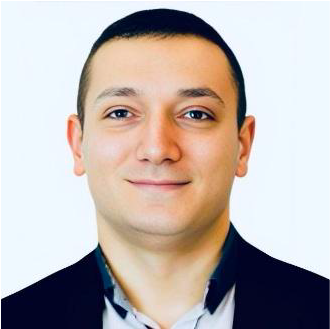 | Erdem Cüce Department of Mechanical Engineering, Faculty of Engineering and Architecture, Recep Tayyip Erdogan University Solar chimney power plants: A renewable and sustainable energy solution |
Prof. Dr. Erdem Cuce is a distinguished academic in the field of sustainable energy technologies and currently serves in the Department of Mechanical Engineering at Recep Tayyip Erdogan University, Türkiye. He received his PhD from the University of Nottingham in sustainable energy and building technologies and subsequently conducted postdoctoral research there on innovative greenhouse facade materials, energy storage solutions, and HVAC/R systems. His research focuses on renewable energy systems, solar technologies, energy efficiency, thermal energy storage, and advanced building technologies. Prof. Dr. Cuce is the author or co-author of more than 220 scientific publications and has edited numerous books and book chapters in the fields of energy and sustainability. He has also contributed to several national and international research projects and has been invited as a speaker at international conferences on sustainable energy technologies. He has been listed among Stanford University and Elsevier’s World’s Top 2% Scientists for six consecutive years (2020, 2021, 2022, 2023,
2024, and 2025). According to ScholarGPS, he is ranked among the world’s leading researchers in the Energy field, placing in the top 0.03% globally, and he is also ranked 15th worldwide in the low-carbon economy. Based on Stanford University’s 2025 performance data reported on his academic profile, he holds the 1st position in Türkiye in Building and Construction, ranks 7th nationally in Energy, and is placed 27th overall across all academic disciplines in Türkiye. In recognition of his scientific achievements, he received the Scientist of the Year Award from the Science Heroes Association in 2018 and the TÜBA Outstanding Young Scientist Award (GEBIP) from the Turkish Academy of Sciences in 2021. He has also received multiple international publication distinctions, including Web of Science Hot Paper and Highly Cited Paper awards and additional Best Paper Awards from international publishers and journals.
Presentation abstract:
Solar chimney power plants (SCPPs) represent a promising route for large-scale renewable electricity generation by combining solar heat collection, buoyancy-driven airflow, and< turbine-based power conversion in a single system. Owing to their structural simplicity, low maintenance demand, and compatibility with thermal storage and auxiliary heat sources, SCPPs have attracted increasing attention as sustainable and potentially continuous power generation technologies. Recent research shows that the future of SCPPs depends not only on scale enlargement but also on design refinement, hybridisation, and intelligent optimisation. This presentation reviews the recentdevelopment of SCPP technology with emphasis on the main parameters governing system performance.
Studies based on the Manzanares prototype indicate that geometric optimisation can significantly improve power output. Increasing chimney height, enlarging collector dimensions, and adopting divergent chimney configurations have all been shown to enhance system performance. In addition, slope-based collector modifications have emerged as an effective passive strategy, while ANN- and CFD-assisted optimisation has identified favourable design angles for further improvement. Beyond geometry, current research increasingly frames SCPPs as hybrid energy platforms. The integration of thermal storage, waste heat, photovoltaics, desalination, and other auxiliary systems can reduce intermittency and extend operating periods beyond sunshine hours. Overall, this keynote highlights how advances in CFD, artificial intelligence, hybrid system design, and thermal storage integration are transforming SCPPs from a conceptual technology into a flexible, high-performance, and multifunctional solution for a sustainable energy future.
 | Marcelo J.S. de Lemos Instituto Tecnológico de Aeronáutica – ITA Development of Energetic Materials for Thermal Plugging of Oil and Gas Wells |
Prof. de Lemos obtained his BSc (1977) and MSc (1979) in Mechanical Engineering from the Pontifical Catholic University of Rio de Janeiro (PUC-RJ) and earned his PhD from Purdue University, USA, in 1983. He served as Assistant Professor at PUC-RJ in 1984 and as Resident Associate at Argonne National Laboratory (1984–1986). In 1986, he joined the Aeronautical Institute of Technology (ITA), São José dos Campos, Brazil, where he is Full Professor, founder and head of the Computational Transport Phenomena Laboratory (LCFT) and of the Competence Center for Energy (CCE). He served as Head of the Department of Energy/IEM/ITA (2012–2022), Graduate Research Area Coordinator (1995–1997), and Head of the Cooperation Division IEX-C (2014–2016). He was Visiting Scholar at Ruhr-Universität Bochum, Germany (1991–1992). A member of ASME since 1992, he became an ASME Fellow in 2009; he is also Fellow of the Royal Aeronautical Society and Associate Fellow of AIAA. In 2021, he was awarded the Fulbright Distinguished Chair at Purdue University and, in 2025, appointed Adjunct Professor at the School of Nuclear Engineering, Purdue University. He has supervised 15 PhD and 32 MSc students. Prof. de Lemos proposed a new mathematical framework for turbulent transport in porous media and haspublished over 450 papers, nine book chapters, and five books. He has coordinated international projects, delivered lectures worldwide, and serves as consultant to CAPES, CNPq, and FAPESP. His research interests span computational thermo-fluid dynamics, porous media, energy systems, combustion, and CO2 capture technologies.
Presentation abstract:
Global change from carbon-based to carbon-free economy has driven the development of several innovative technologies. At the same time, abandonment of old generation plants and pollutant processes in energy production demand much effort from companies due to the undesirable environmental damage left behind. This< is also de case of oil and gas wells that, for more than a century, have been drilled elsewhere. Nowadays, due to severe environmental regulations, no-longer profitable oil wells must adhere to technical standards where conditions are set in a way to guarantee that no leaks will occur after a plug and abandonment operation (P&A). In addition, the environmental liability posed by thousands of wells in operation to date, associated with the ever- greater cost of P&A operations, has driven research groups and oil and gas companies worldwide to search for more reliable and cost-effective technologies, promoting a race to overcome the inevitable “P&A wave” that is fast approaching in the next decades. One of the techniques investigated deals with using a powerful heat emitter at the plugging location for melting the casing, tubing and surrounding cap rock, sealing the well after the cool down of the molten mass. This lecture reviews advanced mathematical modeling, numerical simulation and experiments of the complex Multiphysics involved during combustion of energetic materials such as thermite mixtures for thermal plug and abandonment of oil and gas wells. Zero and first-order chemical kinetics are examined in terms of the generated power and temperature levels achieved.
 | Fei Duan School of Mechanical and Aerospace Engineering, Nanyang Technological University Ammonia as Fuels in Power Cogeneration System for Decarbonization |
Dr. Fei DUAN is a tenured faculty in School of Mechanical and Aerospace Engineering at Nanyang Technological University (NTU), Singapore. Dr. Duan obtained his Ph.D. degree in University of Toronto, Canada in 2005. Dr. Duan also worked as a visiting scientist in Institute of Fluid Mechanics at Friedrich-Alexander-University, Erlangen-Nuremberg, Germany. The topics of his research cover droplet wetting and evaporation dynamics, enhanced thermal management, efficient cogeneration system, etc. In NTU, Dr. Duan has secured over 16 million Singapore dollars on research funding from the governmental agencies and industries as a principal investigator. He has advised over 28 postdoctoral fellows or research associates, 20 Ph.D. students, and 14 Master’s students. Dr. Duan has published over 200 peer-reviewed journal papers, 7 book chapters, and 135 conference presentations including 20 plenary lectures and keynotes. He serves as Executive Editor and Subject Editor for Applied Thermal Engineering (Elsevier, Impact Factor: 6.9), at Editorial Board for Scientific Reports (Nature Portfolio, Impact Factor: 3.9) and Frontiers in Heat and Mass Transfer (Tech Science Press); and Editor at Large in Droplet (Willy, Impact Factor: 9.1).
https://scholar.google.com/citations?user=CamQBEEAAAAJ&hl=en
Presentation abstract:
Nowadays, zero-carbon fuels have been paid more attention for decarbonization to replace the hydrocarbon fuels in power generation system. However, the relatively slow reaction kinetics and nitrogen oxide (NOx) emission requires further understanding in the system level. Partial ammonia cracking can be an effective solution to promote reactivity and ignition energy migration from the pure ammonia combustion. This study covers the application of ammonia for power generation, the partial ammonia cracking process, and single-cycle and cogeneration gas turbine system in the application. Parameter studies are performed to assess the gas turbine performance in the application scale with the various fuel types. It is found that the ammonia-fueled gas turbine with a relatively narrow load operating range can be enlarged though the compression ratio increase, combustion stability enhancement, and ammonia fuel decomposing. By taking account of fuel interchangeability, components of cracker and turbine, and system safety, the feasible operating envelopes of the gas turbine in the Megawatt level, the partially cracking ammonia-fueled gas turbine has the thermal efficiency at over 40% for single-cycle system, and reach 80% for the combined cycle system. Additionally, the kinetic modelling and emission characteristics of multi-staged partially cracked ammonia/ammonia-fueled gas turbine combustors are also discussed. The multistage combustion configurations are discussed on both combustion stability and emission control on the parameters of ammonia substitution rate, local equivalence ratio, and ammonia cracking ratio. Further economic assessment of the ammonia combined cycle power generation systems is conducted as well.
|
| Marcel Lacroix Université de Sherbrooke, Canada What you don’t want to hear about the energy transition |

Dr, Lacroix's professional career spans nearly 50 years in the public and private sectors, in Canada and abroad. He worked for Atomic Energy of Canada Limited, Groupe d'Analyse Nucléaire of Montréal, Atomic Energy Control Board of Canada, QIT Iron and Titanium, Rio Tinto Alcan and Metso Outotec. Dr. Lacroix has also been a full Professor at the Universite Claude Bernard of Lyon, at the Conservatoire National des Arts et Métiers and at the École des Mines de France. He has authored and co-authored hundreds of peer-reviewed scientific papers and he has published several textbooks in thermodynamics as well as popular books on energy and nuclear technologies. Dr. Lacroix is currently an adjunct Professor at the University of Sherbrooke and a private engineering consultant for the power and process industry. During his career, Dr. Lacroix held over fifteen invited professorships at foreign universities. He also appears regularly in the media for commenting on issues and challenges pertaining to energy technologies. In 2018, Dr. Lacroix was appointed as a Governor in Council permanent member for the Canadian Nuclear Safety Commission. Dr. Lacroix holds a bachelor's degree in physics, magna cum laude, from the University of Ottawa, and a Master's and a Ph.D. in nuclear engineering from École Polytechnique de Montréal.
Presentation abstract:
The transition to renewable energies (REs) appears to be the way towards a more sustainable world. The deployment of REs should alleviate our dependence on fossil fuels and abate the emission of greenhouse gases. But History has shown and the laws of nature reveal that the energy transition will be far more difficult than anticipated. Eleven inescapable realities challenge it. These realities are: (1) the magnitude of the energy shift and its time scale; (2) the intermittency of energy supply; (3) the energy storage; (4) the deployment of smart grids; (5) the availability of strategic minerals; (6) the geography; (7) the energy density; (8) the power density; (9) the energy return on investment; (10) the full cost of electricity; and (11) energy programs and policies. A thorough examination of these realities shows that REs cannot meet the world’s present and future needs. Perhaps the challenge is not to adapt REs to the world but to adapt the world to REs. For as long as our expectations of REs differ from what they can truly deliver, the success of the transition will remain in jeopardy.
 | Sébastien Penzini United Nations Office for Disaster Risk Reduction (UNDRR) Accelerating efforts for achieving Sendai Framework objectives by 2030 |
Sebastien Penzini is Deputy Chief of the UNDRR Regional Office for Europe and Central Asia. He oversees coordination of programmes and support to 55 Member States in the implementation of the Sendai Framework for Disaster Risk Reduction 2015-2030. Sebastien joined the United Nations in 2011 for the preparations of the Third Session of the Global Platform for Disaster Risk Reduction. He also contributed to deliver global conferences including the Third UN World Conference on Disaster Risk Reduction held in Sendai, Japan, in March 2015. From 2017 his work particularly targeted country level support in Western Balkans, Central Asia and South Caucasus with a focus on risk knowledge and governance. Sebastien holds a master’s degree in international relations and political sciences from the Institute of Political Studies (Sc-Po), France.
Presentation abstract:
The presentation may underscore the need for Member States to further shift from disaster response to prevention through a more integrated and inclusive approach bringing together relevant ministries, national agencies, local authorities and the civil society. The presentation will showcase the main progress obtained since the adoption of the Sendai Framework in 2015 and the remaining gaps to address by 2030 in a global context influenced by polarization and uncertainty. The presentation will finally summarize the main areas of support, the tools and mechanisms implemented by UNDRR for supporting resilience building at national and local level.
 | Sébastien Poncet Mechanical engineering department, Université de Sherbrooke (Canada) A route to decarbonize the Quebec industry sector: initiatives, policy and emerging technologies |
Sébastien Poncet (Eng., Ph.D., HDR) is full professor in the mechanical engineering department at Université de Sherbrooke in Canada. He holds the NSERC chair on industrial energy efficiency since 2014 with the support of Hydro-Québec, Natural Resources Canada and Copeland Canada Inc. After a PhD in complex systems from Aix-Marseille Université (France) in 2005, he was appointed assistant professor in the same university working on (1) the instability, turbulence and heat transfer in rotating machineries and (2) the transport of bronchial mucus by clearance devices. In 2014, he defended his habilitation to supervise research (HDR) at the same university before being appointed associate professor at Université de Sherbrooke to work on renewable energy, energy storage, refrigeration and heat pump systems, complex heat transfer materials, etc. He is the coauthor of about 500 publications whose 190 in international journals. He is member of the editorial board of several journals: Trans. CSME, J. Mech. Eng. Sci. or Progress in Comput. Fluid Dyn. among others. He is the chair of the CSME Thermal Engineering Science technical committee.
Presentation abstract:
In 2022, the energetic productivity of Québec decreased by 3% for the first time in 13 years. At the same time, 34% of the total energy in the industry sector is still wasted, representing about 234 PJ. If Waste Heat Recovery (WHR) has become a well-established practice in Europe, in the United States, Japan or China, this is not the case in Canada and especially in the province of Quebec. The large territory and relatively low energy costs of green electricity have fostered individualistic behaviors towards energy consumption and resource planning. Recently, a governmental mandated report guided the creation of interactive maps designed to match waste heat emitters with demanders, which constitutes the first mandatory pillar towards large-scale WHR initiatives. In this presentation, we will first depict the peculiar energy overview of the province. Then, we will detail the energy policy and subsidies (second pillar) and compare them to well-established ones in the European Union and Japan. We will finally focus on the technological aspects (third pillar). The pulp and paper sector holds the greatest potential of waste heat reuse, followed by the steel industry and the agri-food sector. Depending on the energy quality, high-temperature heat pumps (HTHP) and Organic Rankine Cycles (ORC) could be integrated to efficiently electrify these sectors. Thermal energy (latent and sensible) storage systems appear also as key components to integrate these technologies and offer more flexibility to the grid (peak shaving). We will present some recent successful projects of WHR in Quebec. The presentation will end with a case study of a two-stage subcritical steam-generating HTHP optimized for the pulp and paper sector.
 | Giuseppe Sdanghi Laboratoire Energies et Mécanique Théorique et Appliquée, Université de Lorraine-CNRS Latest advancements and outlooks on green hydrogen production through water electrolysis |
Dr. Giuseppe SDANGHI obtained his PhD in solid-state chemistry in 2019 at the University of Lorraine, with a thesis registered within the framework of the Lorraine Université d’Excellence program and carried out at the Institut Jean Lamour and the Laboratoire Energie Mécanique Théorique et Appliquée (LEMTA). After a period of postdoctoral research at the Institut de Chimie de la Matière Condensée de Bordeaux (ICMCB) and at the CEA-Liten in Grenoble, Dr. Sdanghi managed a challenging research project in collaboration with the European Space Agency (ESA) to develop an electrochemical compressor for Joule-Thomson cryocoolers for aerospace applications. In 2022, he is laureate of the HyPSTAR Junior Professorship "Hydrogen: production, storage, uses and research" at the University of Lorraine. He is currently working at LEMTA, a joint University of Lorraine-CNRS laboratory. His research work consists in finding solutions to minimize the cost of current hydrogen technologies, such as compressors, electrolysers and fuel cells. Dr. Sdanghi has been awarded “Young Scientist 2024” by the Hydrogen Europe Research in the field of Hydrogen Storage and Distribution for his works on innovative non-mechanical hydrogen compression technologies.
Presentation abstract:
Hydrogen is emerging as a cornerstone of the energy transition. Still in its infancy, this sector could be the answer to many of the challenges we will face in the future (mobility, decarbonization of industry, energy storage, etc.). Hydrogen can be produced efficiently by electrolysis of water, using electricity preferably from renewable sources such as solar power, and can be converted back into electricity on demand using fuel cells.
The principles of water electrolysis for green hydrogen production will be presented in this presentation. The different electrolysis technologies, namely alkaline, proton and anion exchange membrane, will be compared, with an emphasis on their advantages and disadvantages. The prospects for using these technologies to stimulate the transition to a low-carbon energy economy will be discussed.